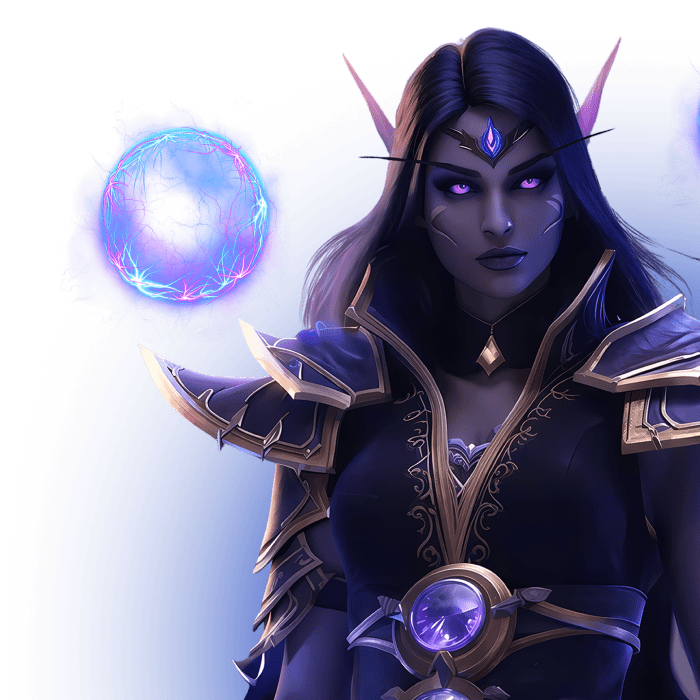
Many of these games require teamwork in order to play, while some also allow for roleplaying with characters and include virtual economies based on selling virtual goods in-world.
Gameplay
MMO games provide players with an expansive variety of gameplay options. Players may select to play as either a fighter and take on computer-controlled opponents or as a mage and utilize magic spells against computer opponents, or they could choose to explore a dungeon together as part of an MMO guild rogue party with other players while strengthening weapons and armor to increase combat effectiveness and enhance gameplay skills.
Many MMORPGs feature expansive game worlds capable of accommodating thousands of simultaneous players. Some games use one universe for all players to access, while others utilize copies on separate servers (known as "sharded universes", after Ultima Online's use of such "shards).
MMOs typically feature living economies wherein in-game items and currency can have real world equivalent values measured against money values.
Character creation
MMO games, also known as multiplayer online role playing games (MORPGs), allow hundreds or even millions of players to interact within an immersive virtual environment, often featuring role playing elements set within a fictional universe. They can be enjoyed both online and off, including computer and console systems, smartphones and tablets; some may employ both methods simultaneously.
Character creation in MMORPGs is one of the key aspects of these games. To ensure an engaging character creation experience and provide players with ample options when building their characters. Unfortunately, many MMORPGs fall short in this area. They may only offer certain races and classes to choose from or may limit how often you can customize your appearance.
Character leveling
MMORPGs often feature an interactive virtual economy in which players trade items and currency within the game itself, as well as having real world economic implications. Some games also provide guilds or social systems which enable interaction amongst other players within a community setting.
MMORPGs differ from traditional computer games in that they only exist online and require an active Internet connection to function properly. With thousands of players across multiple servers connected at any given time, these persistent worlds provide players with an experience even when offline.
Blizzard Entertainment's World of Warcraft and EVE Online are among the most beloved massively multiplayer online role-playing games (MMORPGs). Phantasy Star Online for Dreamcast; EverQuest Online Adventures on PlayStation 2; Final Fantasy XI on PlayStation 3 are other highly acclaimed MMORPG titles that enjoy popularity.
Instance Dungeons are often employed within these titles to reduce competition and reduce lag time; an instance dungeon is an option commonly utilized within these titles to further mitigate competition between instances allowing more instances of game world accessing these environments than usual allowing for reduced competition and reduced lag between instances allowing better control than all instances.
PvP combat
There's an array of MMOs out there, each offering its own specific focus, business model, and setting. From wandering fantasy realms to engaging in cosmic battles - there is truly something for everyone in these immersive online universes.
PvP combat, or player versus player combat, is an integral component of most MMOs. Players compete against one another through various means, including battles on a shared map or competing against each other in a dungeon. Furthermore, these games allow guilds to join forces together for large PvP raids.
MMOs that feature turn-based battles typically follow a daily "tick" schedule during which all orders are processed and battles resolved, enabling hundreds of players to accurately control vehicles and pedestrians on one map - for instance Steve Jackson Games' UltraCorps has hundreds of players controlling different fleets as they fight over territory on an imaginary planet.
Buying a game
MMO games, or massively multiplayer online video games (MMOGs), allow hundreds or millions of players to interact in a virtual reality setting. They usually feature a narrative and support Cross-platform online MMO gameplay, allowing users to play on personal computers, video game consoles, or smartphones with network connectivity. Their persistent worlds continue evolving even when players are offline, creating immersive and dynamic gaming experiences.
Many MMORPGs feature living economies with virtual currencies and items with monetary values that players can purchase with virtual money. These economies can be studied, compared with real world economic systems, and even influence them directly.
Most popular MMORPGs are free-to-play with microtransactions and advertising funding, while others require an upfront purchase and monthly subscription fee. When buying games using an established global marketplace like MMOGAH, purchasing is safe and secure.