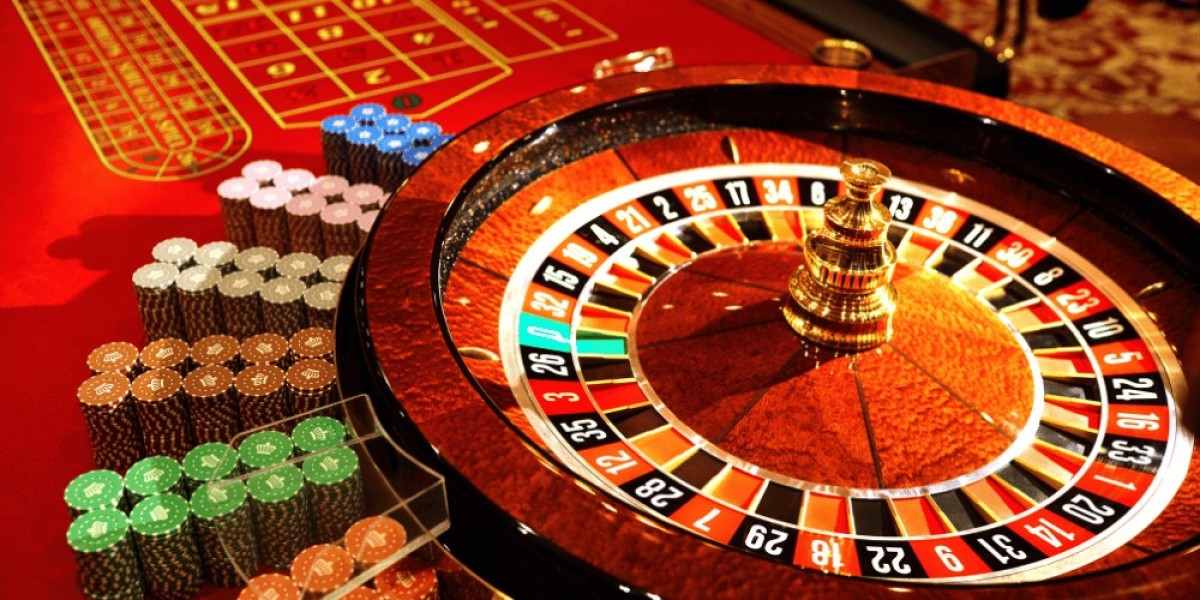

Casinos are not merely massive buildings filled with games of chance; they are highly engineered, psychological laboratories.
Understanding the deep psychological tactics utilized by the casino is the absolute best defense against making disastrous financial decisions.
Why We Think We Can Win
One of the most powerful psychological flaws the casino exploits is the human brain's desperate need to find patterns in total randomness.
Furthermore, slot machines are specifically programmed to deliver "near misses" far more frequently than pure statistical probability dictates.
- The human brain naturally searches for non-existent patterns in random sequences
- The "Illusion of Control" makes players believe blowing on dice alters the math
- Baccarat players tracking past results on a scorecard fall victim to this fallacy
The Architecture of the Casino Floor
It is famously known that casinos absolutely refuse to place clocks on the walls or install any windows that show the outside world.
The harder it is to find the physical exit doors, the more likely a wandering player is to sit down at another slot machine.
Why Gambling is So Addictive
This psychological concept, discovered by B.F. Skinner, proves that unpredictable, random rewards are vastly more addictive than guaranteed, predictable rewards.
Because the player never knows exactly when the massive jackpot will hit, their brain remains in a constant, heightened state of intense anticipation.
| Psychological Tactic | Casino Implementation | Effect on Player |
|---|---|---|
| Time Distortion | No windows or clocks | Loss of time awareness, longer play |
| Near Misses | Slot reels stopping slightly off | Triggers dopamine, encourages more spins |
Always wear a watch, establish strict time limits, and never believe that a slot machine is magically "due" to hit a jackpot.