


In the sterile corridors of Birmingham Women's and Children's NHS Foundation Trust, a young man named James Stokes carries himself with the measured poise of someone who has found his place. His oxford shoes whisper against the floor as he greets colleagues—some by name, others with the universal currency of a "good morning."
James wears his NHS lanyard not merely as institutional identification but as a testament of acceptance. It sits against a well-maintained uniform that gives no indication of the challenging road that brought him here.
What sets apart James from many of his colleagues is not visible on the surface. His bearing gives away nothing of the fact that he was among the first recruits of the NHS Universal Family Programme—an initiative designed specifically for young people who have spent time in care.
"It felt like the NHS was putting its arm around me," James explains, his voice steady but revealing subtle passion. His remark encapsulates the essence of a programme that strives to revolutionize how the vast healthcare system views care leavers—those vulnerable young people aged 16-25 who have graduated out of the care system.
The numbers tell a troubling story. Care leavers commonly experience greater psychological challenges, financial instability, shelter insecurities, and reduced scholarly attainment compared to their peers. Beneath these clinical numbers are personal narratives of young people who have traversed a system that, despite genuine attempts, frequently fails in offering the supportive foundation that shapes most young lives.
The NHS Universal Family Programme, initiated in January 2023 following NHS England's pledge to the Care Leaver Covenant, signifies a significant change in institutional thinking. Fundamentally, it accepts that the whole state and civil society should function as a "collective parent" for those who haven't experienced the security of a typical domestic environment.
A select group of healthcare regions across England have charted the course, creating systems that reconceptualize how the NHS—one of Europe's largest employers—can create pathways to care leavers.
The Programme is meticulous in its strategy, starting from comprehensive audits of existing procedures, forming governance structures, and obtaining senior buy-in. It recognizes that effective inclusion requires more than good intentions—it demands concrete steps.
In NHS Birmingham and Solihull ICB, where James began his journey, they've created a regular internal communication network with representatives who can offer assistance and counsel on personal welfare, HR matters, recruitment, and inclusivity efforts.
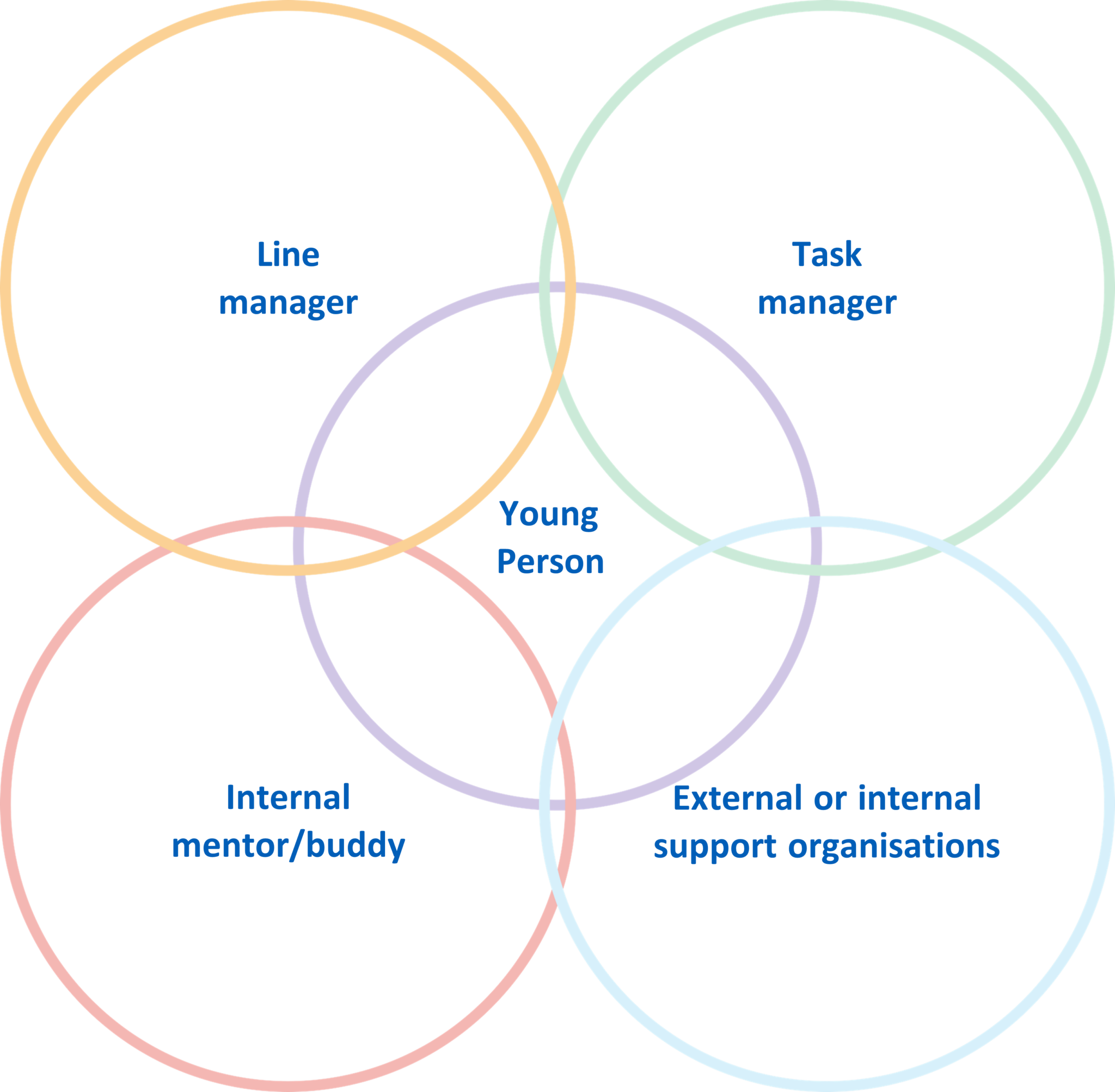
The conventional NHS recruitment process—rigid and potentially intimidating—has been thoughtfully adapted. Job advertisements now emphasize attitudinal traits rather than extensive qualifications. Application procedures have been reimagined to accommodate the particular difficulties care leavers might face—from not having work-related contacts to having limited internet access.
Maybe most importantly, the Programme understands that beginning employment can present unique challenges for care leavers who may be managing independent living without the safety net of family resources. Issues like travel expenses, identification documents, and banking arrangements—considered standard by many—can become substantial hurdles.
The brilliance of the Programme lies in its attention to detail—from explaining payslip deductions to offering travel loans until that critical first salary payment. Even apparently small matters like coffee breaks and workplace conduct are carefully explained.
For James, whose NHS journey has "revolutionized" his life, the Programme provided more than employment. It provided him a feeling of connection—that elusive quality that grows when someone is appreciated not despite their history but because their unique life experiences improves the institution.
"Working for the NHS isn't just about doctors and nurses," James comments, his expression revealing the quiet pride of someone who has discovered belonging. "It's about a family of different jobs and roles, a team of people who really connect."
The NHS Universal Family Programme exemplifies more than an job scheme. It stands as a bold declaration that organizations can change to embrace those who have navigated different paths. In doing so, they not only change personal trajectories but enhance their operations through the unique perspectives that care leavers bring to the table.
As James walks the corridors, his participation quietly demonstrates that with the right help, care leavers can thrive in environments once considered beyond reach. The support that the NHS has extended through this Programme signifies not charity but acknowledgment of untapped potential and the essential fact that all people merit a family that believes in them.