

In today’s fast-paced world, financial emergencies can strike at any second. Whether it’s an unexpected medical invoice, car restore, or other pressing bills, many people find themselves in want of fast money. For these with unhealthy credit, choices can seem extremely restricted. This situation is the place payday loans come into play, promising quick money to tide individuals over until their next paycheck. Nonetheless, whereas these loans could appear like a lifeline, they include their own set of risks and potential pitfalls.
Understanding Payday Loans
Payday loans are quick-time period, excessive-curiosity loans which might be usually due on your next payday. They are designed to supply quick cash relief, typically with out the necessity for a credit score examine. For borrowers with poor credit scores, these loans can appear as one of many few viable solutions to alleviate financial stress. Traditionally, payday loans have been marketed to these needing fast cash, usually inside a few hours of application.
Accessibility for Dangerous Credit Borrowers
Certainly one of the main sights of payday loans is their accessibility for individuals with bad credit scores. Conventional lenders, similar to banks and credit score unions, usually regard a poor credit score as a major purple flag, limiting loan choices for these already in a monetary bind. In contrast, payday lenders focus primarily on current revenue and employment standing relatively than previous credit score history, making it simpler for individuals with dangerous credit to qualify for a loan.
This accessibility generally is a double-edged sword. Whereas it provides quick relief for a lot of, the charges and interest rates on these loans can be exorbitant, leading borrowers right into a cycle of debt that turns into more and more troublesome to escape. Many payday lenders charge fees that equate to annual proportion charges (APRs) of 400% or extra, which might spiral out of control over time.
The Cycle of Debt
The swift nature of payday loans often results in a recurrent cycle of borrowing, the place people take out new loans to repay current ones. This happens for varied reasons, corresponding to the scale of the loan not covering the preliminary expense or the borrower being unable to repay on time as a result of an absence of budgeting. For a lot of, what begins as a reliable source of fast cash turns right into a damaging monetary trap.
Research has shown that a big portion of payday loan borrowers find yourself borrowing repeatedly, further entrenching themselves in debt. A 2018 examine by the consumer Financial Protection Bureau (CFPB) revealed that just about 80% of payday loan customers reborrow inside a month of paying off their previous loans. This cycle of borrowing highlights the importance of understanding the total implications of payday loans earlier than committing.
Government Laws and Consumer Protections
Lately, federal and state governments have begun to take discover of the excessive-curiosity payday loan industry and its results on customers. Numerous states have imposed regulations on payday lenders, capping interest rates and limiting the variety of consecutive loans a borrower can take out. These regulations purpose to guard shoppers from predatory lending practices and assist curb the cycle of debt created by these loans.
Despite these protective measures, the payday loan industry stays largely unregulated on the federal degree, with numerous loopholes allowing lenders to function with relatively few restrictions. Advocacy groups continue to push for stricter rules, insisting that extra needs to be completed to protect vulnerable consumers from falling into excessive-value borrowing traps.
Discovering Alternatives to Payday Loans
For those confronted with the dilemma of needing quick cash however struggling with unhealthy credit, exploring alternate options to payday loans is crucial. Listed below are some viable options:
- Credit Unions: Many credit unions provide small personal loans at significantly lower curiosity rates than payday lenders. They often have packages specifically designed for members with poor credit score.
- Cost Plans: If the monetary emergency is said to a bill, contacting the service supplier and negotiating a fee plan can typically provide relief without the stresses of high-interest loans.
- Borrowing from Family or Friends: While not at all times possible or comfortable, in search of financial support from household or pals might help avoid high-interest loans.
- Local Non-Income: There are lots of non-profit organizations that present emergency financial assistance to people in need. If you have any thoughts with regards to where by and how to use Phakamainternational, you can speak to us at our own website. Researching local options may yield useful resources.
- Facet Gigs or Freelancing: Growing private income by means of quick-time period gigs or freelance work can present the money stream needed with out incurring debt.
Making Informed Decisions
Before resorting to payday loans, individuals ought to all the time weigh the professionals and cons, consider the full cost of borrowing, and discover alternate options. While payday loans can offer fast access to funds, they will result in long-term monetary implications that far outweigh the initial relief they supply.
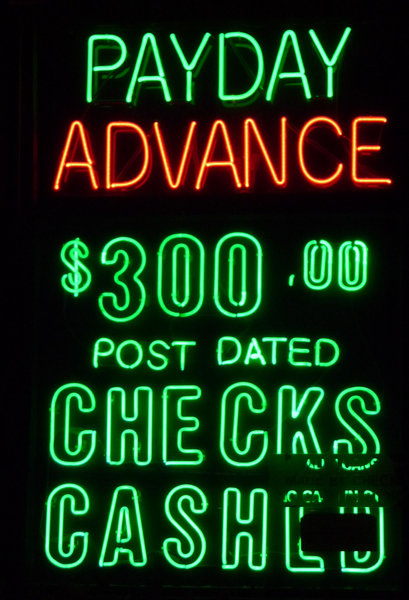
When contemplating taking out a payday loan, it is important to learn the advantageous print, perceive all associated prices, and calculate how the repayment will match into the general finances. By making informed choices, borrowers can protect themselves from the opposed effects of excessive-interest payday loans and discover more sustainable options to their monetary emergencies.
Conclusion
Quick cash payday loans for these with bad credit can present a right away answer for urgent cash wants, but they carry a threat of long-time period monetary stability issues. It's essential to method these loans with caution and to consider various choices that will higher support monetary effectively-being. As more people search methods to manage their funds in a difficult economic system, education and consciousness surrounding borrowing practices will remain critical in navigating the landscape of non-public finance safely and responsibly.