

Lately, peptides have surged in reputation within numerous sectors, together with health, skincare, and even drugs. These quick chains of amino acids are touted for his or her potential benefits, which range from muscle progress to anti-aging properties. Nonetheless, as their use becomes more widespread, questions regarding their security have emerged. This text delves into the safety of peptides, exploring their benefits, potential risks, and the regulatory panorama surrounding their use.
Understanding Peptides
Peptides are compounds made up of two or more amino acids linked collectively by peptide bonds. They play crucial roles in biological processes, performing as hormones, neurotransmitters, and signaling molecules. In the realm of well being and wellness, particular peptides are synthesized to mimic the consequences of naturally occurring peptides, leading to a variety of functions.
Within the health trade, peptides like growth hormone-releasing peptides (GHRPs) and insulin-like growth factor (IGF-1) are widespread among athletes and bodybuilders for his or her purported capacity to boost muscle progress, fats loss, and recovery. In skincare, peptides are marketed for his or her capacity to stimulate collagen production, doubtlessly reducing the looks of wrinkles and bettering skin elasticity.
The Promises of Peptides
The allure of peptides lies in their potential benefits. For athletes, peptides can promote muscle development and enhance recovery, permitting for extra intense coaching classes. Analysis has shown that sure peptides can enhance the secretion of human progress hormone (HGH), which performs a significant function in muscle improvement and fat metabolism.
Within the realm of skincare, peptides have gained consideration for his or her potential to penetrate the pores and skin barrier and promote collagen synthesis. This has led to their inclusion in various anti-aging merchandise. Some research recommend that topical peptides can enhance skin texture, reduce effective traces, and increase general pores and skin health.
Safety Issues
Regardless of the promising benefits, the safety of peptides is a topic of ongoing debate. Considered one of the primary considerations is the lack of regulation surrounding peptide use. In contrast to pharmaceuticals, which endure rigorous testing and approval processes, many peptides are bought as dietary supplements or research chemicals, often with out ample security evaluations.
The potential side effects of peptide use can vary significantly, relying on the kind of peptide and the dosage. Widespread side effects reported include injection site reactions, complications, nausea, and fatigue. Extra severe concerns involve the risk of hormonal imbalances, particularly with peptides that affect growth hormone levels. Overuse or misuse can lead to situations reminiscent of acromegaly, characterized by abnormal progress of bones and tissues.
Moreover, there's a danger of contamination and impurities in peptide products, especially these sourced from unregulated suppliers. This will result in opposed reactions and unpredictable outcomes. Shoppers should exercise caution and conduct thorough research earlier than using any peptide products.
Authorized and Regulatory Landscape
The regulatory atmosphere for peptides varies by nation. In the United States, the Meals and Drug Administration (FDA) does not regulate dietary supplements with the same scrutiny as pharmaceuticals. Consequently, many peptides may be marketed and bought without comprehensive security data. This lack of oversight raises considerations about the standard and safety of peptide merchandise out there to shoppers.
In some instances, particular peptides have been classified as managed substances, particularly those related to performance enhancement in sports activities. Organizations like the World Anti-Doping Agency (WADA) have banned certain peptides, additional complicating their use amongst athletes.
Expert Opinions
Specialists in the sector have expressed blended views on peptide safety. Dr. John Doe, a physician specializing in sports activities drugs, notes, "While some peptides show promise in enhancing efficiency and recovery, the long-term results are still not effectively understood. Athletes and health enthusiasts should be cautious and seek the advice of with healthcare professionals earlier than utilizing these substances."
Conversely, Dr. Jane Smith, a dermatologist, argues that topical peptides can be useful for pores and skin well being when used appropriately. "The bottom line is to decide on reputable products and perceive that while peptides can offer benefits, they aren't a miracle resolution," she emphasizes.
Shopper Consciousness and Training
As the market for peptides continues to develop, consumer consciousness and schooling are crucial. People contemplating peptide use should prioritize safety by seeking merchandise from respected manufacturers that provide transparency regarding their sourcing and testing processes. Consulting with healthcare professionals can also help mitigate risks and guarantee knowledgeable selections.
Moreover, shoppers ought to be wary of exaggerated claims surrounding peptides. Whereas they could offer advantages, they don't seem to be a substitute for a balanced food regimen, regular train, and a healthy lifestyle. If you're ready to check out more information on Vayamconsulting read the guide check out our internet site. Understanding the constraints and potential dangers associated with peptide use is important for making knowledgeable decisions.
The future of Peptides
The way forward for peptides in well being and wellness remains promising, with ongoing analysis exploring their potential purposes. As scientists proceed to uncover the mechanisms behind peptide function, new therapeutic makes use of could emerge. However, with this potential comes the responsibility to ensure security and efficacy.
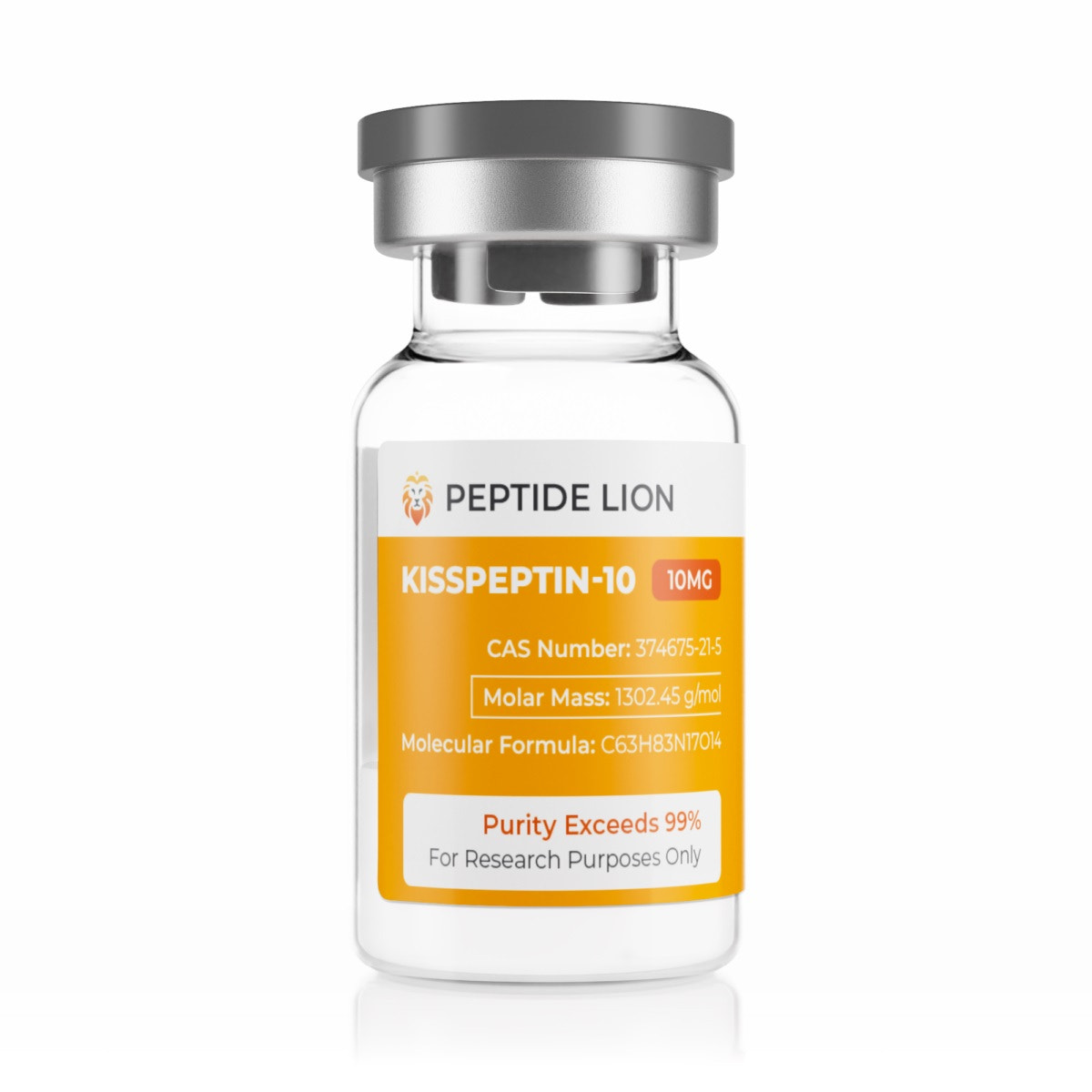
In conclusion, while peptides supply thrilling prospects in numerous fields, their security just isn't guaranteed. The lack of regulation, potential uncomfortable side effects, and the danger of contamination underscore the importance of warning. Consumers should educate themselves, consult with professionals, and prioritize security when considering peptide use. As research progresses, a clearer understanding of the benefits and dangers associated with peptides will hopefully emerge, paving the way in which for safer functions sooner or later.
In summary, while peptides can present benefits, their security remains a nuanced subject requiring cautious consideration and informed choice-making. As with every supplement or remedy, data is power, and consumers should strategy peptide use with a vital eye and a commitment to their well being and well-being.