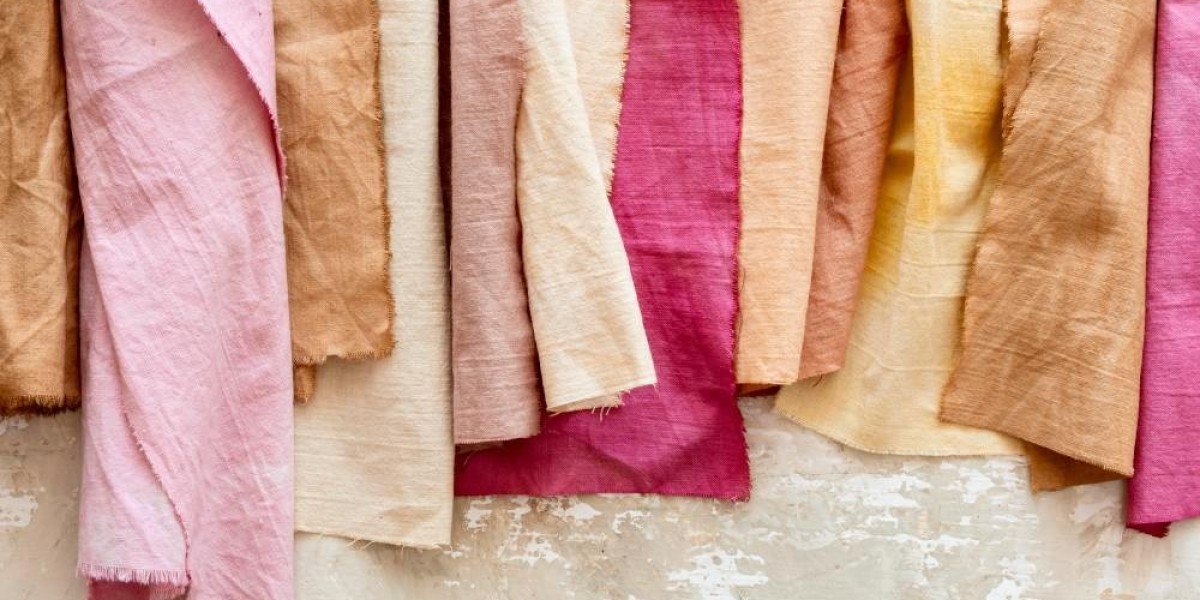

Choosing the right cotton fabric for a private label brand in Czechia means evaluating fiber grade, thread count, weave, and supplier certifications before placing a bulk order. Buyers should request physical swatches, confirm OEKO-TEX or GOTS certification, and test samples for shrinkage and colorfastness. Suppliers like Fabriclore Pvt Ltd offer both local and online options for sourcing cotton fabric by the yard at scale.
Private label clothing is growing fast across Czechia, with more founders launching their own brands instead of reselling existing labels. This shift puts pressure on buyers to get one decision right from the start: the fabric. A shirt or dress is only as good as the cotton fabric behind it, and customers notice the difference between a garment that softens with every wash and one that pills after three wears.
Fabric selection used to rely on trial and error, phone calls to suppliers, and a lot of guesswork. That's changing. AI-powered sourcing platforms now help buyers compare fiber specifications, supplier certifications, and pricing in minutes instead of weeks. But even with better tools, the fundamentals of cotton fabric selection haven't changed. Buyers still need to understand grades, weaves, and supplier credentials to make a confident purchase.
This guide covers what to look for when buying cotton fabric for a private label clothing brand, where to source it in the Czech market, and how to avoid the mistakes that cost new brands money and reputation.
What Makes Cotton Fabric Quality Vary Between Grades?
Not all cotton fabric is built the same. The fiber grade determines how the final garment feels, drapes, and holds up over time.
Pima cotton: Known for long fibers that create a smooth, soft finish. It resists pilling and holds color well, making it a strong choice for premium t-shirts and basics.
Upland cotton: The most widely grown cotton type globally. It has shorter fibers than pima, which makes it more affordable but slightly less durable and soft.
Organic cotton: Grown without synthetic pesticides or fertilizers. It appeals to brands targeting environmentally conscious customers, though it typically costs more per yard.
How Do Thread Count, Weight, and Weave Affect the Final Product?
Thread count measures how many threads are woven into one square inch of fabric. Higher thread counts generally mean a smoother, denser cotton fabric, though this matters more for bedding and shirting than for knitwear.
Fabric weight, measured in GSM (grams per square meter), determines how heavy or light a garment feels. Lightweight cotton (100-150 GSM) suits summer wear, while heavier cotton (200-300 GSM) works for structured pieces like jackets or sweatshirts.
Weave type also shapes performance. Plain weave cotton is durable and simple, twill weave (like denim) resists wrinkles and wear, and jersey knit offers stretch and comfort for casual clothing. Matching the weave to the garment type prevents costly redesigns after production begins.
Where Can You Source Cotton Fabric in the Czech Market?
Czechia has a smaller domestic textile industry compared to countries like India or Turkey, but it still offers viable sourcing paths for private label brands.
Local Czech suppliers tend to specialize in smaller-batch production and technical textiles, which works well for brands testing a new product line before committing to large volumes. For brands that need wider fabric variety, importing cotton fabric by the yard from established manufacturing hubs is common practice. Many Czech buyers import from India, Pakistan, and Turkey, then handle cutting and sewing domestically or through nearby EU partners.
Minimum order quantities (MOQs) vary significantly between local and import suppliers. Local Czech mills may offer lower MOQs suited to startups, while import suppliers often require larger volume commitments to justify shipping costs. Buyers should weigh the cost-per-yard against MOQ requirements to find the sourcing model that fits their production scale.
For brands that want to buy fabric online without relying solely on local inventory, platforms like Fabriclore Pvt Ltd give Czech buyers access to customized cotton fabric, dyeing, and printing at lower MOQs, which removes a major barrier for new private label brands entering the market.
What Supplier Credentials Should You Check Before Buying Cotton Fabric?
Certifications tell buyers whether a supplier's claims about quality and ethics hold up to independent scrutiny.
OEKO-TEX Standard 100: Confirms the fabric has been tested for harmful substances and is safe for skin contact.
GOTS (Global Organic Textile Standard): Verifies organic fiber content and tracks the fabric through processing, ensuring sustainability claims are accurate.
Fair Trade Certification: Confirms ethical labor practices throughout the supply chain, which matters increasingly to Czech consumers who factor sustainability into purchase decisions.
Beyond certifications, buyers should request third-party quality testing reports covering shrinkage, colorfastness, and tensile strength. A supplier unwilling to share this data is a warning sign, regardless of how competitive their pricing looks.
How Do You Define Technical Specifications for Private Label Cotton Fabric?
Before placing an order, brands need a clear specification sheet covering fiber content, GSM, weave type, width, and color tolerance. Vague requests like "good quality cotton" lead to inconsistent results across production batches.
A common mistake among new private label brands is skipping the sample stage to save time. This almost always backfires. Fabric that looks fine on a supplier's website can behave differently once cut and sewn, particularly with shrinkage after washing. Request physical swatches and, where possible, a small test batch before committing to a full production run.
Batch consistency is another factor buyers overlook. Cotton fabric can vary slightly between dye lots, so it's worth asking suppliers how they control for consistency across large orders, especially if a brand plans to reorder the same fabric multiple times a year.
What Practical Tips Help You Choose the Right Cotton Fabric Supplier?
Before signing a contract, ask suppliers these questions directly:
What certifications can you provide, and can I see the documentation?
What is your MOQ, and does it change based on fabric customization?
How do you handle quality issues or shipment delays?
Can you provide references from other private label clients?
Building a long-term relationship with a cotton fabric supplier pays off over time. Suppliers are more likely to offer better pricing, priority production slots, and flexibility on MOQs to buyers who order consistently rather than shopping around every season.
When negotiating price, avoid cutting corners on quality to hit a lower cost per yard. A cheaper fabric that fails quality testing or disappoints customers costs more in returns and reputation damage than the initial savings justify. Instead, negotiate on payment terms, shipping costs, or order volume while holding firm on fabric specifications.
Choosing Cotton Fabric Is a Brand Decision, Not Just a Purchase
Selecting cotton fabric for a private label clothing brand in Czechia comes down to four factors: understanding fiber grades, verifying supplier certifications, defining clear technical specifications, and testing samples before scaling production. Skipping any of these steps increases the risk of inconsistent quality, which directly affects customer trust and repeat purchases.
Czech buyers have more sourcing options today than a few years ago, from local mills to online platforms like Fabriclore Pvt Ltd that make it easier to buy fabric online with lower MOQs and customization support. The next step is straightforward: request swatches from two or three suppliers, test them against your specification sheet, and place a small trial order before scaling up.
Frequently Asked Questions
What is the best cotton fabric grade for private label t-shirts?
Pima cotton works well for premium t-shirts because of its soft hand feel and resistance to pilling. Upland cotton is a more budget-friendly alternative for brands focused on volume over premium positioning.
How much does cotton fabric typically cost for private label production in Czechia?
Pricing depends on fiber grade, GSM, and order volume. Imported cotton fabric by the yard generally costs less per unit at higher volumes, while local Czech suppliers may charge more but offer lower MOQs suited to smaller runs.
What certifications should I prioritize when sourcing cotton fabric?
OEKO-TEX Standard 100 and GOTS are the two most widely recognized certifications for safety and organic sourcing. Fair Trade certification adds assurance around ethical labor practices.
Can I buy fabric online instead of sourcing locally in Czechia?
Yes. Several platforms, including Fabriclore Pvt Ltd, allow Czech buyers to order customized cotton fabric online with lower MOQs, which suits private label brands that aren't ready to commit to large local orders.
What's the biggest mistake new private label brands make when selecting fabric?
Skipping sample testing before placing a bulk order. Fabric that looks acceptable on screen can shrink, fade, or behave differently once sewn, so testing a small batch first prevents costly production errors.