

Among the organized chaos of medical professionals in Birmingham, a young man named James Stokes carries himself with the measured poise of someone who has found his place. His polished footwear move with deliberate precision as he greets colleagues—some by name, others with the familiar currency of a "good morning."
James carries his identification not merely as institutional identification but as a symbol of inclusion. It rests against a neatly presented outfit that gives no indication of the challenging road that preceded his arrival.
What sets apart James from many of his colleagues is not visible on the surface. His presence reveals nothing of the fact that he was among the first beneficiaries of the NHS Universal Family Programme—an undertaking crafted intentionally for young people who have spent time in care.
"It felt like the NHS was putting its arm around me," James reflects, his voice controlled but carrying undertones of feeling. His statement encapsulates the core of a programme that strives to revolutionize how the massive healthcare system views care leavers—those frequently marginalized young people aged 16-25 who have transitioned from the care system.
The statistics reveal a challenging reality. Care leavers often face poorer mental health outcomes, financial instability, accommodation difficulties, and reduced scholarly attainment compared to their peers. Beneath these cold statistics are human stories of young people who have navigated a system that, despite best intentions, often falls short in offering the stable base that molds most young lives.
The NHS Universal Family Programme, initiated in January 2023 following NHS England's pledge to the Care Leaver Covenant, embodies a substantial transformation in systemic approach. Fundamentally, it acknowledges that the complete state and civil society should function as a "communal support system" for those who haven't known the constancy of a typical domestic environment.
Ten pathfinder integrated care boards across England have charted the course, developing systems that rethink how the NHS—one of Europe's largest employers—can extend opportunities to care leavers.
The Programme is detailed in its approach, initiating with comprehensive audits of existing procedures, establishing oversight mechanisms, and garnering senior buy-in. It recognizes that effective inclusion requires more than lofty goals—it demands tangible actions.
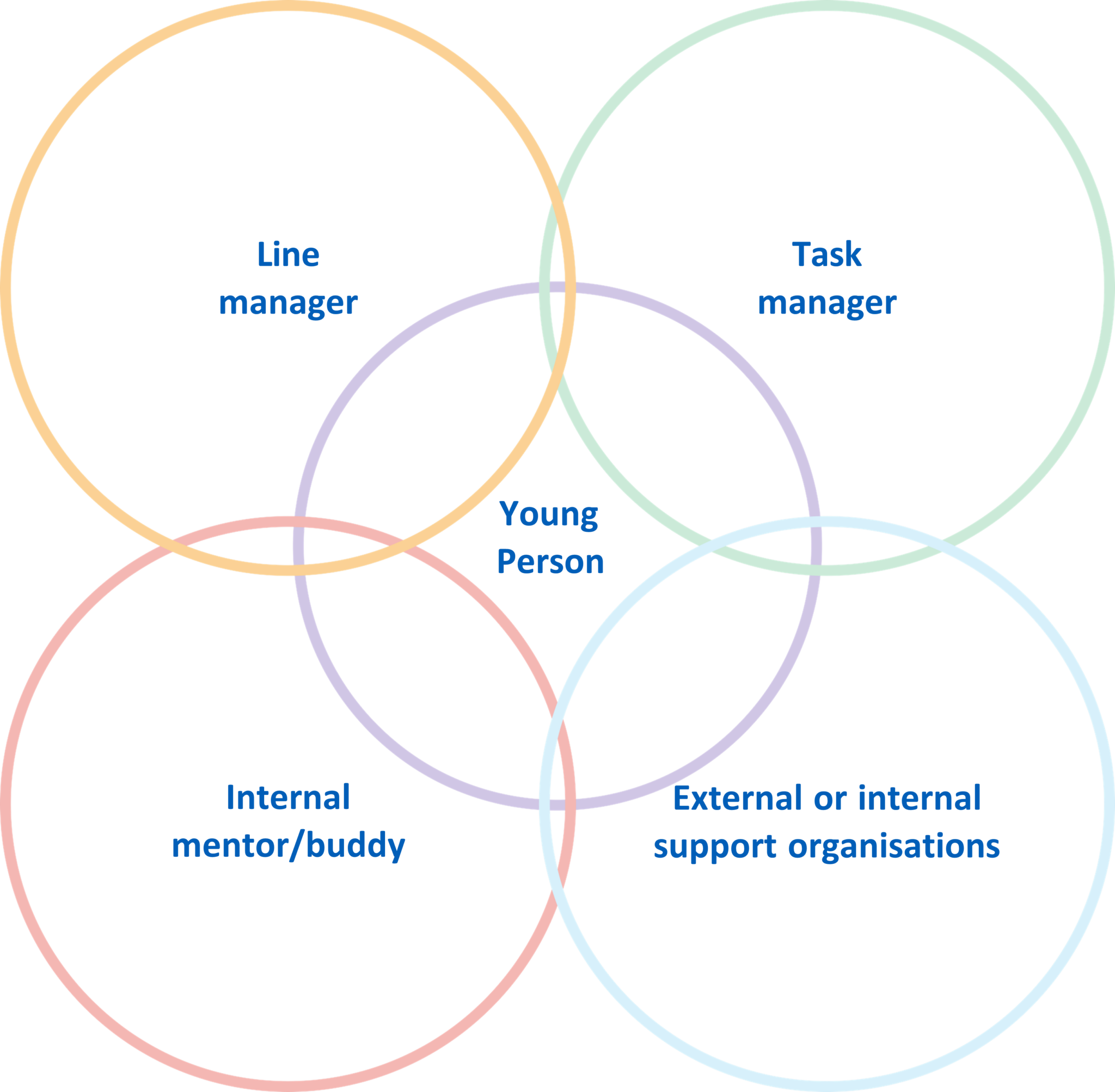
In NHS Birmingham and Solihull ICB, where James found his footing, they've created a reliable information exchange with representatives who can deliver assistance and counsel on mental health, HR matters, recruitment, and equality, diversity, and inclusion.
The traditional NHS recruitment process—structured and possibly overwhelming—has been thoughtfully adapted. Job advertisements now emphasize character attributes rather than extensive qualifications. Application procedures have been redesigned to consider the unique challenges care leavers might experience—from lacking professional references to facing barriers to internet access.
Possibly most crucially, the Programme acknowledges that entering the workforce can create specific difficulties for care leavers who may be handling self-sufficiency without the backup of familial aid. Concerns like commuting fees, personal documentation, and bank accounts—taken for granted by many—can become significant barriers.
The brilliance of the Programme lies in its meticulous consideration—from clarifying salary details to providing transportation assistance until that essential first salary payment. Even apparently small matters like rest periods and office etiquette are carefully explained.
For James, whose career trajectory has "changed" his life, the Programme provided more than work. It provided him a perception of inclusion—that intangible quality that emerges when someone is appreciated not despite their history but because their unique life experiences enriches the organization.

"Working for the NHS isn't just about doctors and nurses," James comments, his gaze showing the quiet pride of someone who has found his place. "It's about a family of different jobs and roles, a team of people who genuinely care."
The NHS Universal Family Programme embodies more than an work program. It stands as a strong assertion that organizations can adapt to welcome those who have known different challenges. In doing so, they not only change personal trajectories but enhance their operations through the special insights that care leavers contribute.
As James walks the corridors, his involvement quietly demonstrates that with the right help, care leavers can flourish in environments once thought inaccessible. The embrace that the NHS has offered through this Programme represents not charity but recognition of untapped potential and the fundamental reality that all people merit a community that supports their growth.